

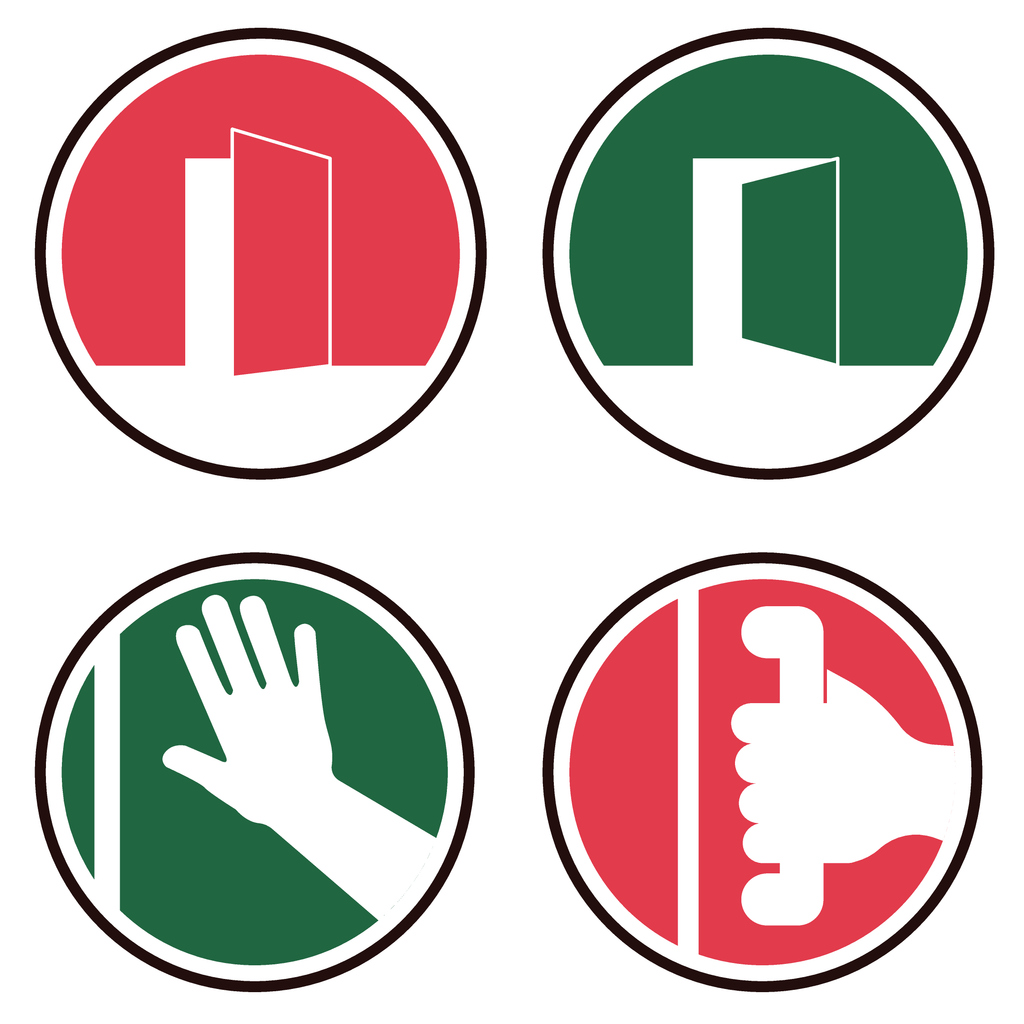
Marsha Egan explores how shifting from push to pull motivation can transform your energy, impact, and workplace culture
Remember the funny two-headed, llama-like creature from Doctor Dolittle – the “Pushmi-Pullyu”? One head pushed, the other pulled, and the result was comical chaos. That image is a fitting metaphor for workplace motivation. Some leaders “push” their teams – driving them forward with deadlines and demands. Others “pull” their people – drawing them toward shared goals with inspiration and trust.
Both can move people forward, but one drains energy while the other fuels it. It works personally, too.
Push Motivation: The “Have To”
Push motivation is obligation-based. It’s the voice that says, “I must finish this project or I’ll disappoint my executive.” It’s often fueled by fear, pressure, or the need to prove oneself. Push motivation works in the short term – deadlines get met – but over time, it breeds fatigue and disengagement.
Push environments rely on authority and compliance, not creativity or ownership. They produce results, but at a cost: morale suffers, innovation fades, and turnover rises.
Pull Motivation: The “Want To”
Pull motivation, in contrast, comes from desire and purpose. It’s the voice that says, “I want to contribute because this work matters,” or “I enjoy being part of this team.” It’s fueled by meaning and connection rather than fear.
As leadership expert Simon Sinek says, “When people are financially invested, they want a return. When people are emotionally invested, they want to contribute.” That’s pull motivation in action – and it’s where lasting engagement lives.
A Mirror Moment: What Drives You?
We all toggle between push and pull. The key is awareness.
Ask yourself:
- Do I work harder when I’m afraid of failing?
- Or when I’m excited about succeeding?
Fear-driven motivation drains; purpose-driven motivation sustains. When you operate from push energy, everything feels heavier. Pull energy feels lighter – it’s curiosity, not coercion.
If you find yourself in a push-heavy environment – one dominated by pressure or constant criticism – it might be time to seek (or create) a different kind of culture. Pull environments encourage autonomy, trust, and recognition. And even if you can’t change the system overnight, you can shift your focus: show appreciation, volunteer for projects that energize you, and express curiosity instead of compliance. Those small shifts change everything.
Recognition, Feedback, and Culture
Recognition and feedback are the levers that turn push into pull. Leaders who say “thank you” often and mean it build strong, motivated teams. I like to suggest a 2:1 ratio – two positive comments for every corrective one. This boosts both morale and performance.
Specificity matters: instead of “Good job,” try “Your quick thinking during that client call kept the project on track – thank you.” Recognition should be timely, specific, and genuine. Public appreciation is even more powerful – it builds pride and camaraderie across teams.
And remember, silence demotivates. Lack of gratitude can be perceived as indifference or arrogance, even when unintended.
Empowerment and Balance
Empowerment fuels pull motivation. When people have a voice in decisions and ownership of projects, their enthusiasm soars. Pair that with respect for work-life balance, and you create loyalty that no paycheck alone can buy.
Leaders who encourage initiative and support personal balance don’t just retain talent – they create cultures of trust, resilience, and joy.
Leading – and Living – the Pull Way
Pull leadership starts with a shift from driving results to inspiring results.
Leaders who ask “What can I do to help my team want to succeed?” instead of “How can I make them do this?” are already practicing it. But the same principle applies personally: if you lead yourself with fear or guilt, you’ll always need a push. Lead yourself with purpose, curiosity, and gratitude – and the pull will take care of itself.
Your Challenge
This month, notice your own motivational cues and those around you. Are you running on push or pull energy?
Try one simple shift: each day, find one thing you want to do – and one person you can sincerely thank. Watch what happens to your energy, your results, and your relationships.
Because when people want to work, they don’t need to be pushed – they lead themselves forward.