
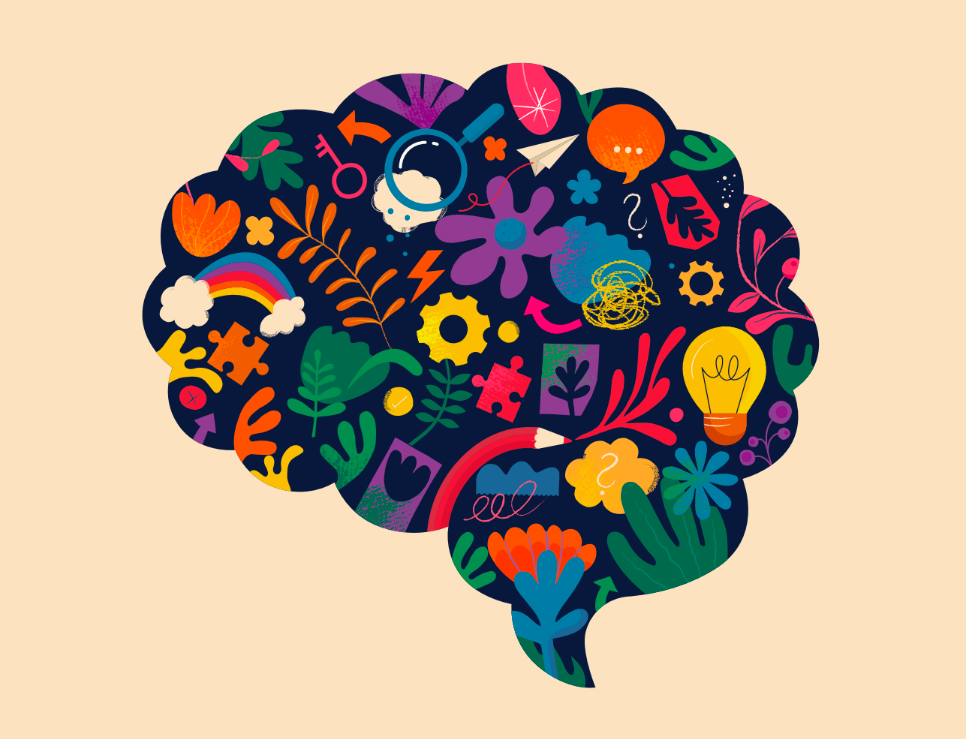
Nick Elston reveals why curiosity – not certainty – is the real driver of professional growth, and how asking better questions can keep you adaptable, valuable, and ahead in a rapidly changing workplace.
I was having coffee with an administrative professional last month when she said something that’s stuck with me: “I’ve been doing this job for 15 years. I know what I’m doing. Why would I need to learn anything new?” And look, I get it. There’s something deeply satisfying about mastering your craft. About knowing the systems inside out, understanding the politics without needing a map, being able to handle your workload without breaking a sweat.
But that feeling of having it all figured out? It’s probably the most dangerous place you can be professionally.
The Problem with “Knowing Enough”
There’s this moment in every career where you hit a groove. You’ve learned the ropes, you know what works, you can practically do your job on autopilot. It feels brilliant. Like you’ve cracked the code. Except that’s exactly when you stop growing. And in a world that’s changing as fast as ours is, not growing means slowly becoming irrelevant.
The World Economic Forum reckons that by 2027, nearly half of workers’ core skills will be disrupted. Not replaced entirely, but significantly changed. That’s not some far-off future scenario. That’s happening now. The administrative professionals who thrive aren’t the ones sitting on their expertise like it’s a comfortable cushion. They’re the ones who stay genuinely curious about what they don’t know yet.
What Real Curiosity Actually Looks Like
I’m not talking about signing up for every webinar under the sun or pretending to be fascinated by things that bore you rigid. That’s performative learning and it’s exhausting. Real curiosity is scrappier. It’s questioning things when they don’t make sense – not just following procedures because “that’s how we’ve always done it,” but genuinely wondering if there’s a better way. It’s noticing when the same problems keep cropping up and being curious about what’s actually causing them rather than just putting out fires repeatedly. It’s being interested in how other people solve problems not to copy them wholesale, but to understand different approaches that might challenge how you think.
And it’s admitting what you don’t know. This one’s harder than it sounds. There’s something uncomfortable about saying “I don’t understand this” or “I’ve never done that before.” But that discomfort? That’s where growth lives.
Small Curiosities Compound
Most people think lifelong learning has to be formal and massive. Degrees. Certifications. Intensive courses. And while those have their place, the real transformation happens much more quietly.
It’s the person who hears their organisation is moving to a new system and spends half an hour on YouTube getting the basics before the official training – not because they have to, but because they’re curious about how it might improve their workflow.
It’s overhearing a conversation about data analytics and thinking “I wonder if I could learn enough about that to make my reporting more useful” rather than “That’s not my department.”
It’s asking a colleague in a different team how they handle a common challenge – not to steal their methods, but to expand your understanding of what’s possible.
Six months of being consistently curious creates more growth than a single intensive course you immediately forget about.
The Questions That Separate Curious from Comfortable
Curious professionals ask fundamentally different questions:
Instead of “How do I do this task?”, they ask: “Why does this task exist, and is there a better way to achieve the same outcome?”
Instead of “That’s not how we do things here”, they wonder: “Why do we do it this way?”
Instead of “I don’t need to understand that – it’s not my role”, they think: “Understanding that might help me do my actual role better.”
Instead of “I’ve already been trained on this”, they ask: “What’s changed since I was last trained?”
The curious mindset doesn’t require more time or energy, just a different orientation towards the information you encounter daily.
Why This Matters Commercially
Organisations don’t value people who know how to do one thing really well. They value people who can adapt, evolve, and contribute beyond their immediate job description.
When you’re consistently curious, you become the person who spots opportunities others miss because you understand adjacent areas. You suggest improvements based on knowledge from multiple sources. You adapt faster when systems change. You become a go-to resource because your knowledge extends beyond narrow specialisation.
This isn’t about job security through fear. It’s about professional value through genuine capability.
The Vulnerability Bit Nobody Talks About
One thing that stops people being openly curious is the fear of looking incompetent. Asking questions feels like admitting you don’t know something, which feels like weakness.
But I’ve observed that the people who ask thoughtful questions are seen as engaged and strategic. The people who pretend to know everything are seen as inflexible and potentially problematic.
There’s a particular confidence in being able to say, “I don’t know that yet, but I’d like to learn.” The alternative – nodding along when you’re lost – just defers the problem until it becomes embarrassing or worse.
Building Your Learning Habit without Drowning
The goal isn’t to become a perpetual student drowning in courses. It’s developing sustainable curiosity that keeps you growing without burning you out.
Try the 20-minute rule: 20 minutes a week learning something tangentially related to your work. Not directly job-critical, but adjacent enough to be useful.
Keep a question stockpile. When you hear jargon you don’t recognise, write it down. When a decision doesn’t make sense, note it. Then actually find answers rather than accepting confusion.
Have cross-pollination conversations with colleagues in different departments. This is not networking in a manipulative sense, but genuine interest in understanding how different parts of your organisation function.
When something goes wrong, resist the urge to just move on. Spend time understanding what actually happened and what you could learn from it.
The Bit Nobody Wants to Hear
If you’re not actively learning, you’re passively becoming obsolete. Not immediately, not dramatically, but steadily.
The pace of change in how we work isn’t slowing down. The tools we use, the skills that matter, the ways we communicate – all evolving constantly. You can either engage with that evolution curiously or resist it uncomfortably.
Resisting doesn’t stop the change. It just means you’re unprepared when it arrives.
What to Do About It
Identify one thing this week that you don’t fully understand but probably should. Not something massive – just one thing that keeps coming up that you’ve been nodding along with but not really grasping. Then do something about it. Spend 20 minutes researching it. Ask someone who understands it. Watch a YouTube video. Read an article. Whatever it takes to move from “I don’t really know what that means” to “I have a basic understanding.”
One thing. One week. That’s it. Lifelong learning isn’t about becoming an expert in everything. It’s about staying curious enough to keep evolving, questioning enough to keep improving, and humble enough to keep admitting what you don’t know yet.
The Actual Point
The most valuable professionals I know aren’t the ones with all the answers. They’re the ones still asking questions. They’re curious about how things work, why decisions are made, what’s changing, and how they can contribute more strategically. That curiosity keeps them engaged, relevant, and genuinely useful. Your career isn’t a fixed destination. It’s an ongoing journey where the terrain keeps shifting. The question isn’t whether you’ll encounter new challenges or unexpected changes – you will. The question is whether you’ll face them with curiosity or resistance. Choose curiosity. The alternative – comfortable complacency – might feel safer now, but it’s far riskier long-term.









“Even though it may seem counterintuitive, a comfort zone is a dangerous place to be.”
Mary Lou Retton