
Each issue, we hear from an Assistant in a different sector about what unique features shape their role, and those which are universal; in this issue, Helen Lumber shares her perspective as an Executive Assistant for the Royal College of Paramedics
I have spent more than 20 years working in administrative roles across large public sector organisations and now work within a registered charity, the Royal College of Paramedics. The college is the recognised professional body for paramedics in the United Kingdom, responsible for development and training.
I support the Chief Executive, President, Vice President (Honorary Secretary), and Chair of Paramedic Council, all of whom are women in leadership roles. Our charity is only 25 years old and has fewer than 40 employees, around 30 board, council, and student council volunteers, and thousands of members. My role includes managing complex diaries, coordinating governance activities, supporting strategic planning, delivering projects, organising events, and ensuring senior leaders have everything they need to undertake their roles – responsibilities that mirror those in other sectors.
Moving from the Public Sector to the Third Sector
Transitioning from a large public sector organisation to a charity was difficult. I had to understand how my corporate experience could add value in a smaller organisation with different priorities. Resources are limited, with smaller budgets, limited travel, and fewer support functions. We do not have a dedicated HR specialist or IT helpdesk, meaning staff often adopt broader responsibilities and become highly adaptable.
One of the biggest challenges was that my support network reduced from a pool of 3,000 employees of various roles, grades, and departments to being the only EA, and to having only a handful of fellow fulltime employees to go to for advice, support, or even a virtual coffee and catch-up. This resulted in me sourcing external professional mentors to provide me with a safe space to discuss all things administration where solutions could be provided through lived experience.
I am based in Wales; however, our staff and volunteers are based all across the UK. We have a head office in Bridgwater, Somerset as well as a sub-office in Cleckheaton, Yorkshire. I work fully remotely, but I occasionally travel to in-person events such as team days, board meetings, and council meetings. It is nice to see people in person every few months. My Chief Executive has allowed me the autonomy to decide what works best for me and the organisation at any given time. One of the hardest things about working remotely is to stay visible. If people don’t tend to see or hear you, you can sometimes be forgotten. Regular professional catch-ups with key individuals, attendance at meetings, and communication are key to successful remote working.
3 Things to Know If You’re Considering a Switch to the Charity Sector
1. If possible, volunteer first
Do your research and take time to understand the organisation. Explore its website, social media channels, annual reports, and strategy. If the mission excites and inspires you, you’re already on the right track. Volunteering will provide invaluable insight into working within the charity and helps determine whether it is the right fit for you.
2. Success looks different
In corporate environments, success may be measured by KPIs, appraisals, bonuses, or financial targets. In charities, success is often linked to impact, sponsorship, advocacy, and delivering value for money. Decision-making is constrained by budgets, but innovation and creativity are often encouraged.
3. Pay and conditions may vary
Charity sector salaries and benefits differ from those in larger organisations. Many people find this worthwhile because of flexibility, work-life balance, and sense of purpose.
Unique Opportunities
Some highlights from my role include:
- Organising awards events celebrating paramedics across the UK
- Coordinating representation at the National Memorial Arboretum for Remembrance activities and working alongside The Ambulance Staff Charity (TASC)
- Supporting the transition to becoming the Royal College of Paramedics through Royal Charter
- Playing a part in securing HRH Prince William as Patron of the charity
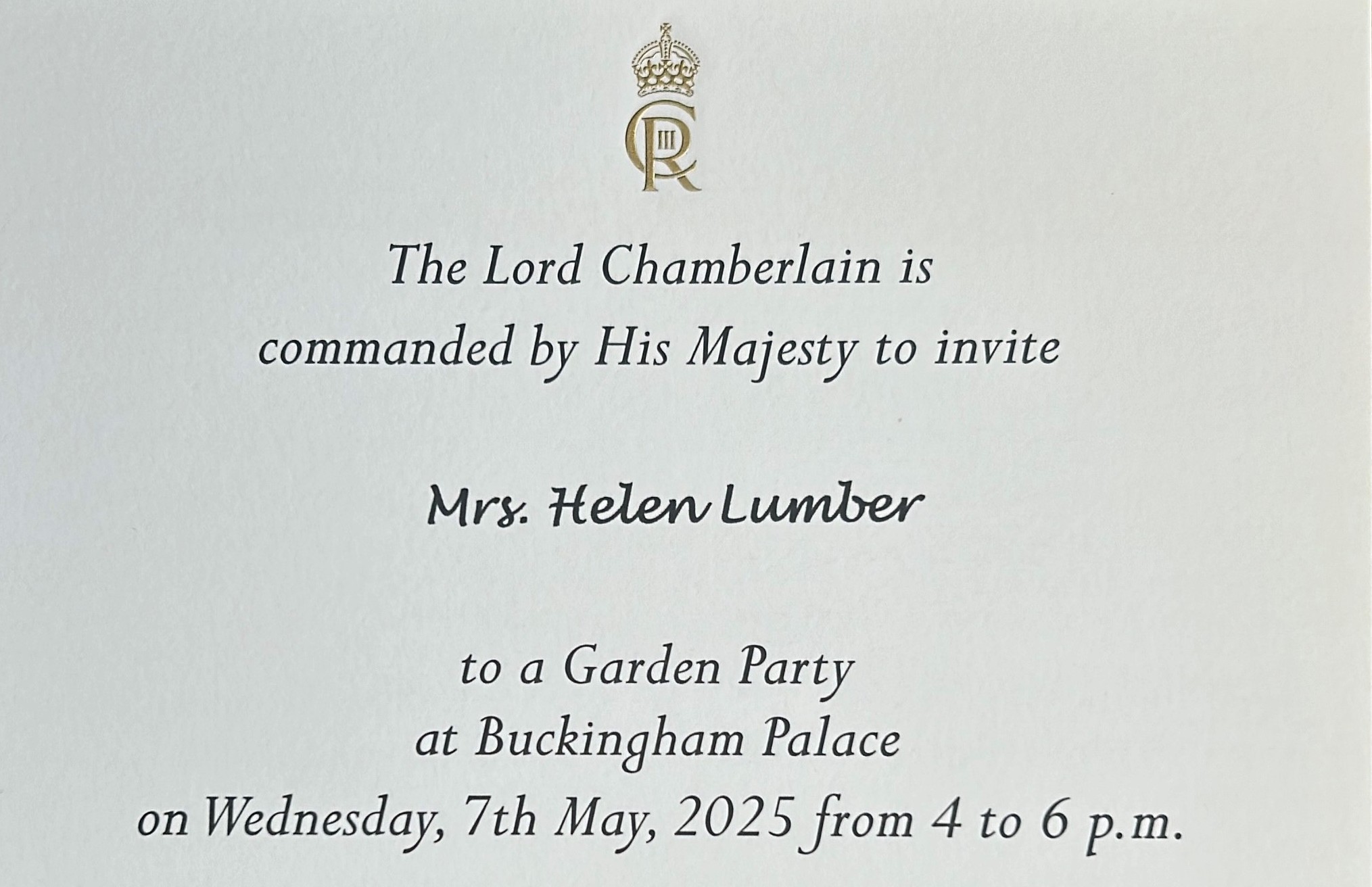
- Being invited to a Royal Garden Party at Buckingham Palace in recognition of my contribution
These experiences remind me that support roles have a significant impact.
About Royal Charter
Royal Charter is an instrument of incorporation granted by the King, and the grant confers the charity with an independent legal personality which defines our objectives, constitution, and powers. Attaining this status was a massive piece of work. We needed to be patient, and to recognise that the journey would include cost, time, and assistance with how we communicated and articulated ourselves throughout the process. The process also had to be supported by our members, as without them, we would not exist. Once our members were onboard, I arranged Royal Charter celebration dinners across the UK: intimate gatherings to engage with our stakeholders and seek their support for our journey, as well as writing to them, which would support our endorsement to the Privy Council.
We formally wrote and submitted our application to the Privy Council, which was then advertised in the London Gazette for any objections. This was a very nervous time, as anyone could submit an objection during this window – however, no one did, and once our application was approved, we received our formal seal and Royal Charter. We are now in the final stages, as we have changed our name from College to Royal College and are liaising with the Royal Names Team about the use of our logo and branding.
It wasn’t essential that we had a Royal Patron; however, HRH the Prince of Wales (Prince William) had previously worked at an air ambulance alongside paramedics and the profession and would be the perfect fit. He agreed to become our Patron, and this was kept confidential until we invited him to attend our Emergency and Critical Care Conference in January 2026, where the announcement was made to the press and media.
It was a brilliant day of history being made, and all during the year that the College turned 25 years of age. We have a special branding set for this year with 25 in our email signatures, on our website, social media, etc., and we also have members giving their insights and thoughts on their 25 years in the profession or members on what the next 25 years can look like. I have also created 25th birthday decorations and confetti that are taken to all our events this year to remind people of our anniversary.
Attending a Royal Garden Party
I was nominated by my Chief Executive to attend a Royal Garden Party and represent my organisation and profession.

Ahead of the day, I was sent a helpful leaflet, which included a map of my designated entrance into the gardens of Buckingham Palace, a checklist of approved forms of ID needed to pass through security, and what not to bring with me. The dress code was “day dress with optional headwear.”
On the day, the weather was dry and sunny, neither too hot nor too cold. I arrived and walked through the gardens, where I was greeted with a welcoming non-alcoholic drink. There was time to wander freely amongst the beautiful gardens, plants, and lake, listening to the brass bands playing in various areas. There was also the opportunity to enjoy afternoon tea, which was almost too beautiful to eat. The National Anthem was played before King Charles III, the Queen, and the Duke and Duchess of Edinburgh, and Princess Anne came out to meet with key individuals. It was an overwhelming, once-in-a-lifetime opportunity.
Growth and Development
A move into the charity sector is a major adjustment. Career pathways are less structured, budgets are tighter, and there are fewer peers performing similar roles. However, these limitations can create opportunities. You become resourceful, gain broader experience, and often enjoy greater visibility and influence within the organisation. Challenges are rewarding because success is achieved through creativity, collaboration, and determination rather than large budgets.
Professional networks have been essential to my development. I have benefited from mentoring programmes, online communities, industry subscriptions, and peer networks. These connections provide support, insight, and opportunities to learn from others.
Five years ago, I was the organisation’s only EA. Recognising that I could not sustainably deliver everything, I developed a business case for additional administrative resources. Following approval, we created a Business Administration Team consisting of myself, a Personal Assistant, a Governance Assistant, and an apprentice role. This improved organisational support and also established meaningful career progression opportunities for others.
I love working in this sector. I witness some of my family members who are healthcare professionals working in this sector and the NHS (National Health Service) every day. Working at the Royal College of Paramedics lets me contribute to a profession I deeply respect, which makes my role rewarding.
Finding Meaningful Work
Ask yourself some simple questions:
- Do you feel valued?
- Are your contributions recognised?
- Do you enjoy going to work each day?
I enjoyed my previous role, but my current role provides a greater sense of purpose and a healthier work-life balance. Finding meaningful work has made a real difference to my wellbeing.
A Day in My Life
7:30 a.m. I start by reviewing multiple mailboxes to identify priorities and urgent actions for the day.
9:00 a.m. I check in with team members and colleagues. Regular contact is important when working remotely.
10:00 a.m. I meet with managers to review priorities, discuss progress, and ensure alignment on key objectives.
11:00 a.m. I review calendars and use time-blocking techniques to protect dedicated periods for focused work.
1:00 p.m. I take a break from the screen, have lunch, stretch, and recharge.
2:00 p.m. I hold one-to-one conversations with team members to discuss priorities, workloads, development, and support needs.
3:00 p.m. Afternoons consist of meeting preparation, governance work, or attending meetings.
5:00 p.m. I review tasks, prepare for the next day, and complete a final inbox review.
5 Transferable Skills
1. Communication
Strong communication is essential. Whether responding to enquiries, developing policies, engaging stakeholders, or working with sponsors, adapting your communication style to different audiences is critical.
2. Enthusiasm and dedication
People want genuine passion for the organisation. Enthusiasm is infectious and helps build engagement and positive culture.
3. Interpersonal skills
Building relationships, managing challenges, and showing empathy require emotional intelligence and confidence. These skills are invaluable in any workplace.
4. Patience
Many charity volunteers balance their commitments alongside demanding careers or retirement responsibilities. Patience is essential when coordinating schedules, supporting volunteers, and managing expectations.
5. Teamwork
Small organisations rely on collaboration. Team members need to support one another, share knowledge, and step in to achieve collective goals.